Corgi Names and Fun Facts: Naming Ideas and the Stories Behind the Breed
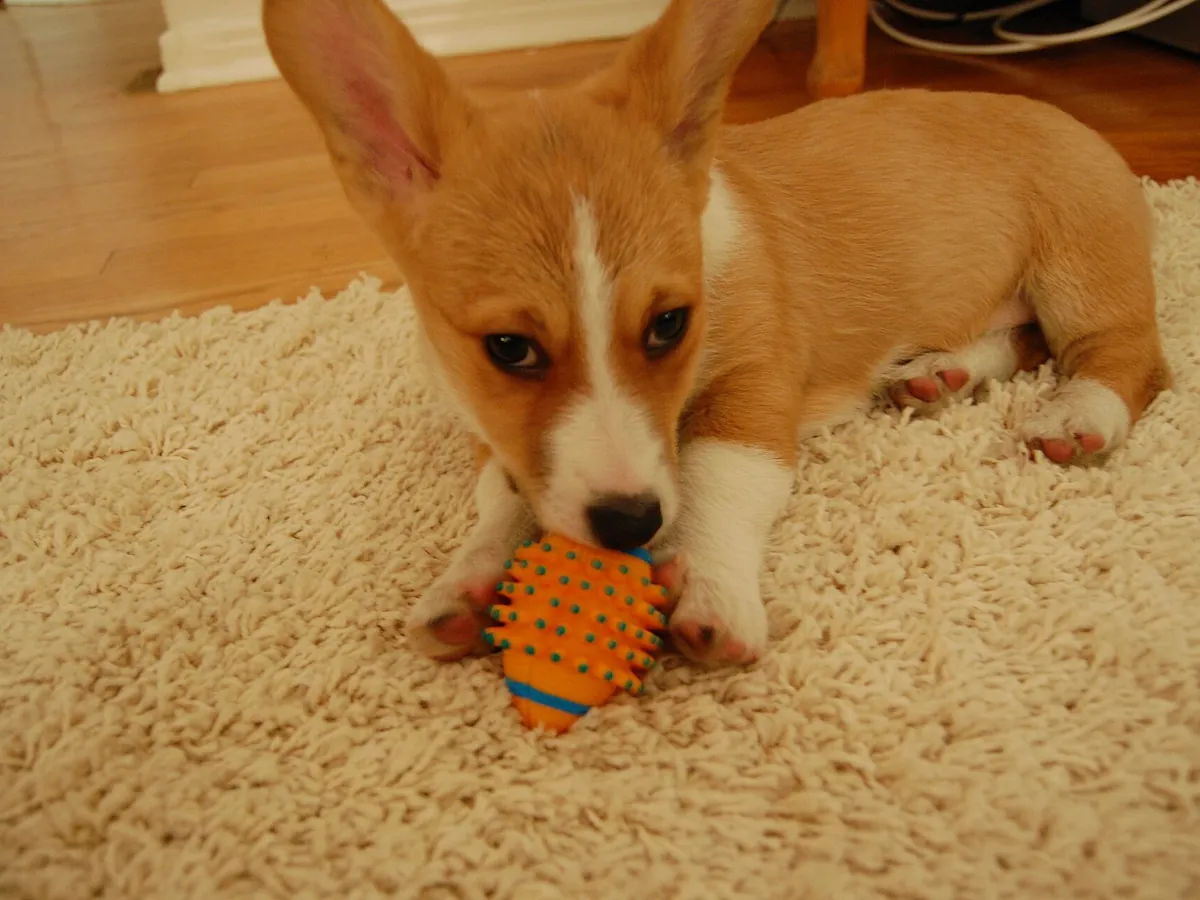
Photo: Rachel Hinman via Wikimedia Commons, CC BY 2.0
Naming a corgi is half practical training tool, half celebration of a very old Welsh farm dog. Below are name ideas by theme, then facts you can actually source from the AKC breed pages and standards. For the full Pembroke-versus-Cardigan comparison, see our breed differences guide.
Name ideas by theme
These are suggestions only — not popularity rankings.
Welsh-inspired: Dylan, Gwen, Rhys, Bran, Megan, Tegan, Celyn, Emrys, Gareth, Nia
Food and treats: Biscuit, Waffle, Cheddar, Peanut, Mochi, Toast, Nugget, Muffin, Ginger, Bagel
Small-and-bright: Sprout, Pip, Teddy, Button, Archie, Dash, Clover, Barnaby, Pixel, Ziggy
Regal: Arthur, Windsor, Duchess, Baron, Winston, Henry, Victoria, Sterling, George, Queenie
Drover and outdoors: Scout, Ranger, Boots, Chase, Rusty, Trapper, Drift, Echo, Piper, Flint
Browse and shortlist more in our /tools/name-generator/.
How to choose a call name
A call name has to work when you need a recall across a park:
- Prefer one or two clear syllables
- Avoid names that rhyme with or blur into “no,” “sit,” “stay,” or “come”
- Say the name in a happy tone and pair it with good things; save corrections for a separate cue
Those are training practicalities, not mystical naming laws. If two household members disagree, pick the name everyone will actually use consistently.
Sourced fun facts
Welsh working roots
The AKC Pembroke page and AKC Cardigan page present both breeds as Welsh herding dogs. Cardigans are associated with Cardiganshire and Pembrokes with Pembrokeshire. Parent clubs such as the PWCCA and CWCCA preserve breed history and health resources for owners and breeders.
Built to work cattle
The standards describe low-set, sturdy dogs with the agility and endurance to do herding work. That working past is why many pet corgis still notice moving heels and unfamiliar sounds — see our barking and nipping guide once you need training help.
Tails, size and colors from the standards
| Trait | Pembroke (AKC standard) | Cardigan (AKC standard) |
|---|---|---|
| Tail | Docked short or naturally short | Long fox-like brush |
| Height | 10–12 inches at the withers | 10½–12½ inches |
| Weight | Not over 30 lb dogs / 28 lb bitches | Ideally 30–38 lb dogs / 25–34 lb bitches |
| Colors | Red, sable, fawn, black and tan ± white | Red, sable, brindle, black, blue merle ± white |
Sources: the Pembroke PDF standard and Cardigan PDF standard.
Docking rules differ by country and context; discuss surgery and legality with your veterinarian and breeder rather than following social-media advice.
Whether you choose “Rhys,” “Cheddar” or something wonderfully weird, pair the name with clear training and a soft spot for a small dog with a big job description.
Frequently asked questions
Where do Welsh corgis come from?
Both breeds come from Wales as farm and cattle dogs. The AKC Pembroke and Cardigan breed pages describe them as Welsh herding breeds developed in Pembrokeshire and Cardiganshire respectively. They are separate breeds, not coat varieties of one dog.
What is the difference between Pembroke and Cardigan tails?
The AKC Pembroke standard describes a tail docked as short as possible without being indented, or a sufficiently short natural dock. The Cardigan standard calls for a long, fox-like brush set fairly low. Laws and customs about docking vary by place; talk with your breeder and vet.
What coat colors do corgis come in?
Per the AKC standards, Pembrokes appear in red, sable, fawn, and black and tan, with or without white markings. Cardigans may be red, sable, brindle, black (with or without tan or brindle points), or blue merle, usually with white flashings.
How should I choose a corgi name?
Pick a short call name your household can say clearly during training, and avoid names that sound like common cues such as "no" or "sit." Then browse themes you like — Welsh, food, fluffy or drover names — and shortlist favorites in our name generator.
A quick note: this guide is general information from published sources, written by dog lovers, not a veterinarian. Your own vet knows your dog's history, so check with them before changing food, exercise or treatment.
Sources
Keep reading
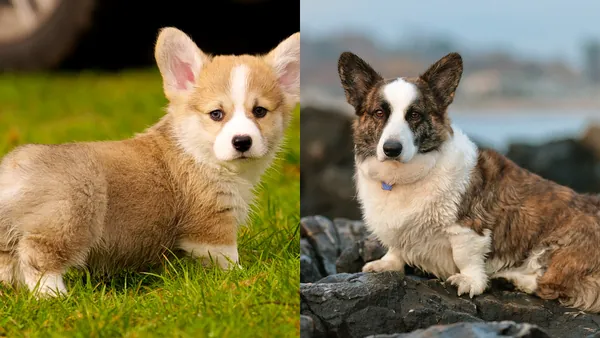

Pembroke vs Cardigan Welsh Corgi: The Real Differences
Two Welsh herding breeds, two different dogs. Compare Pembroke and Cardigan Welsh Corgis by tail, size, ears, coat colors, history and temperament, using the AKC breed standards and parent clubs.