Corgi Shedding and Grooming: Managing the Double Coat
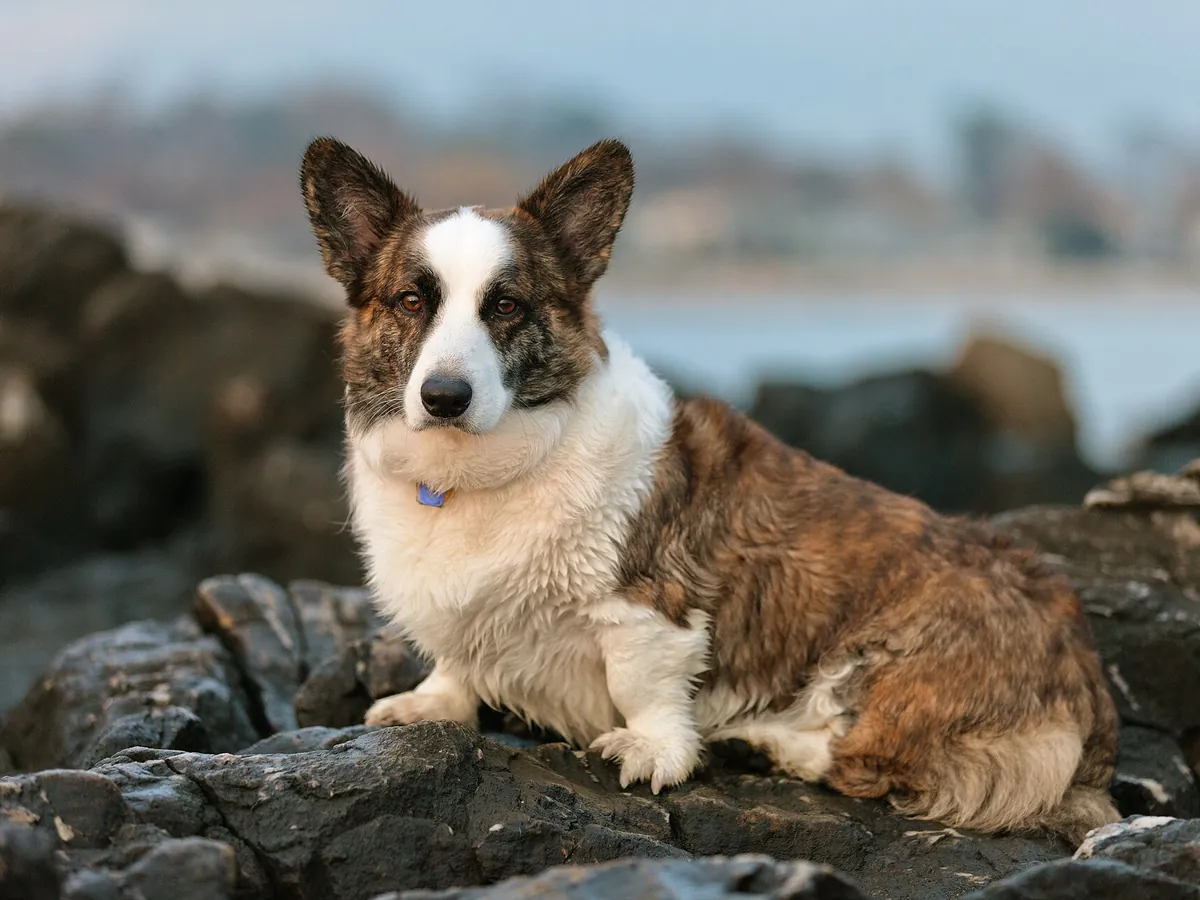
Photo: FatFairfax via Wikimedia Commons, CC BY-SA 3.0
🐾 Getting ready for a puppy? Try the interactive corgi puppy checklist — free, no email required.
If you live with a corgi, you already know the joke: you do not own a corgi, you own a very low vacuum cleaner’s worth of fluff. The reason is simple. Corgis have a double coat, and double coats shed. Here is what the breed standards and the AKC say about managing it.
What the coat is made of
Both breed standards describe a weather-resistant double coat:
- The Pembroke standard describes a medium-length coat with a short, thick, weather-resistant undercoat and a coarser, longer outer coat, and states plainly that “this breed has a shedding coat.”
- The Cardigan standard describes a medium-length coat that is dense because it is double, with a short, soft, thick, insulating undercoat, and also says the breed has a shedding coat.
So shedding is not a flaw or a sign your corgi is unhealthy. It is how the coat is built.
When shedding is heaviest
According to the AKC, dogs with thick double coats are more likely to shed year-round, and in dogs that shed seasonally the heaviest shedding usually comes in spring (losing the winter coat) and fall (shedding lighter hair to make way for thicker insulation). A heavy period can last several weeks to a couple of months, triggered mostly by changes in daylight and temperature. Expect more hair around the house then, and plan to groom more often for a while.
A simple routine
A groomer quoted in the AKC’s double-coat grooming guide recommends brushing a double-coated dog with a slicker brush and following up with a comb at least once a week. That removes dead hair, spreads natural oils and helps prevent skin problems. Brush the hair, not the skin. The same guide suggests a soft slicker for puppies and a medium one for adults.
During heavy shedding, the AKC’s shedding guide says dogs that shed heavily may need brushing several times a week or even daily at the peak. For dogs with double coats, and it names the Pembroke Welsh Corgi as an example, it recommends a slicker brush and, during heavy shedding, a coat rake or de-shedding tool, used in the direction of hair growth with gentle pressure, especially with bladed tools. Work out tangles with a steel comb or a mat-splitting tool before brushing further.
Start young. The AKC guide advises getting a puppy used to gentle brushing, handling of the feet, and checks of the ears and eyes from the day they come home.
Baths: less often than you think
The AKC’s double-coat guide warns not to overdo bathing, because too many baths can strip natural oils and dry out the skin and coat. Bathe when your dog is dirty or smelly, rinse thoroughly, and dry them off afterwards. Bathing with a shedding-control shampoo can help lift loose hair, according to the AKC’s shedding guide, but it is an extra, not a replacement for brushing.
Please do not shave your corgi
It is tempting in summer. The AKC says shaving a double coat can make a dog hotter, not cooler, because the undercoat and guard hairs insulate in both directions, and that it can make a dog susceptible to heat stroke and sunburn and cause long-term coat changes such as patchy regrowth. If your corgi is struggling in the heat, brush out loose undercoat, provide shade, water and cool resting spots, and ask your vet for advice.
When hair loss is a vet question
Normal shedding is gradual and even. The AKC says bald patches, inflamed or irritated skin, thinning fur or a sudden increase in hair loss can point to a problem such as allergies or a thyroid disorder, and should be evaluated by a vet. A weekly brush session is also a good chance to feel for lumps, check for ticks and look at the skin. If something looks wrong, call your veterinarian rather than waiting for the next shedding season.
This guide is general information from published sources, not veterinary advice.
Grooming tools: what to look for
We describe what to look for in each type of product. Affiliate product links, when present, are marked as sponsored.
Pick 1
Slicker brush
Best for: Weekly brushing of the top and undercoat on a puppy or adult corgi.
What to look for:
- A soft slicker for puppies and a medium one for adults, as groomers quoted by the AKC suggest
- Fine, bent pins that do not scratch the skin when you brush the hair and not the skin
- A comfortable handle, since you will use it often during shedding season
Pick 2
Undercoat rake or de-shedding tool
Best for: Heavy shedding periods, when loose undercoat builds up.
What to look for:
- Gentle use. The AKC advises light pressure, especially with bladed tools
- A tool you can use in the direction of hair growth without tugging
- Stop and ask a groomer or vet if the skin looks red or irritated
Pick 3
Steel comb or mat-splitting tool
Best for: Checking that brushing reached the skin, and working out tangles before brushing further.
What to look for:
- Both fine and medium tooth spacing, for the thinner hair on ears and legs and the thicker ruff
- A smooth, rounded tooth tip
- A mat splitter only if you are comfortable using blades near skin
Frequently asked questions
Do corgis shed a lot?
Both corgi breed standards describe a double coat and say the breed has a shedding coat. The AKC says dogs with thick double coats are more likely to shed year-round, with heavier shedding at the seasonal changes, and it names the Pembroke Welsh Corgi among dogs that need tools that reach the undercoat. How much any individual corgi sheds varies.
When do corgis shed the most?
The AKC says that for dogs that shed seasonally the heaviest shedding usually happens in spring and fall, and a heavy period can last from a few weeks to a couple of months. Dogs that shed heavily may need brushing several times a week or even daily at the peak.
Should I shave my corgi to stop shedding or keep it cool?
No. The AKC says shaving a double coat can make a dog hotter, not cooler, because the coat acts as an insulator, and that it can lead to heat stroke, sunburn risk and long-term coat damage. Brush out loose undercoat instead, and ask your vet about keeping your dog comfortable in hot weather.
How often should I bathe my corgi?
A groomer quoted by the AKC advises not to overdo baths, because bathing too often can dry out the skin and coat. Bathe when your dog is dirty or smelly, rinse thoroughly and dry them well. There is no single schedule that fits every dog, so ask your vet or groomer.
Is hair loss in my corgi normal?
Normal shedding is gradual and even. The AKC says bald patches, inflamed skin, thinning fur or a sudden increase in hair loss can signal a health problem, such as an allergy or a thyroid disorder, and should be checked by a veterinarian.
A quick note: this guide is general information from published sources, written by dog lovers, not a veterinarian. Your own vet knows your dog's history, so check with them before changing food, exercise or treatment.
Sources
Keep reading
Pembroke vs Cardigan Welsh Corgi: The Real Differences
Two Welsh herding breeds, two different dogs. Compare Pembroke and Cardigan Welsh Corgis by tail, size, ears, coat colors, history and temperament, using the AKC breed standards and parent clubs.

Corgi Weight by Age: Pembroke vs Cardigan Size and Healthy Growth
How big do corgis get? Adult weight ranges from the AKC breed standards for Pembroke and Cardigan Welsh Corgis, plus how to track a puppy's growth with your vet instead of chasing a monthly weight chart.