Home › Training, Behavior & Exercise
How Much Exercise Does a Corgi Need? Walks, Play and Herding-Dog Brain Games
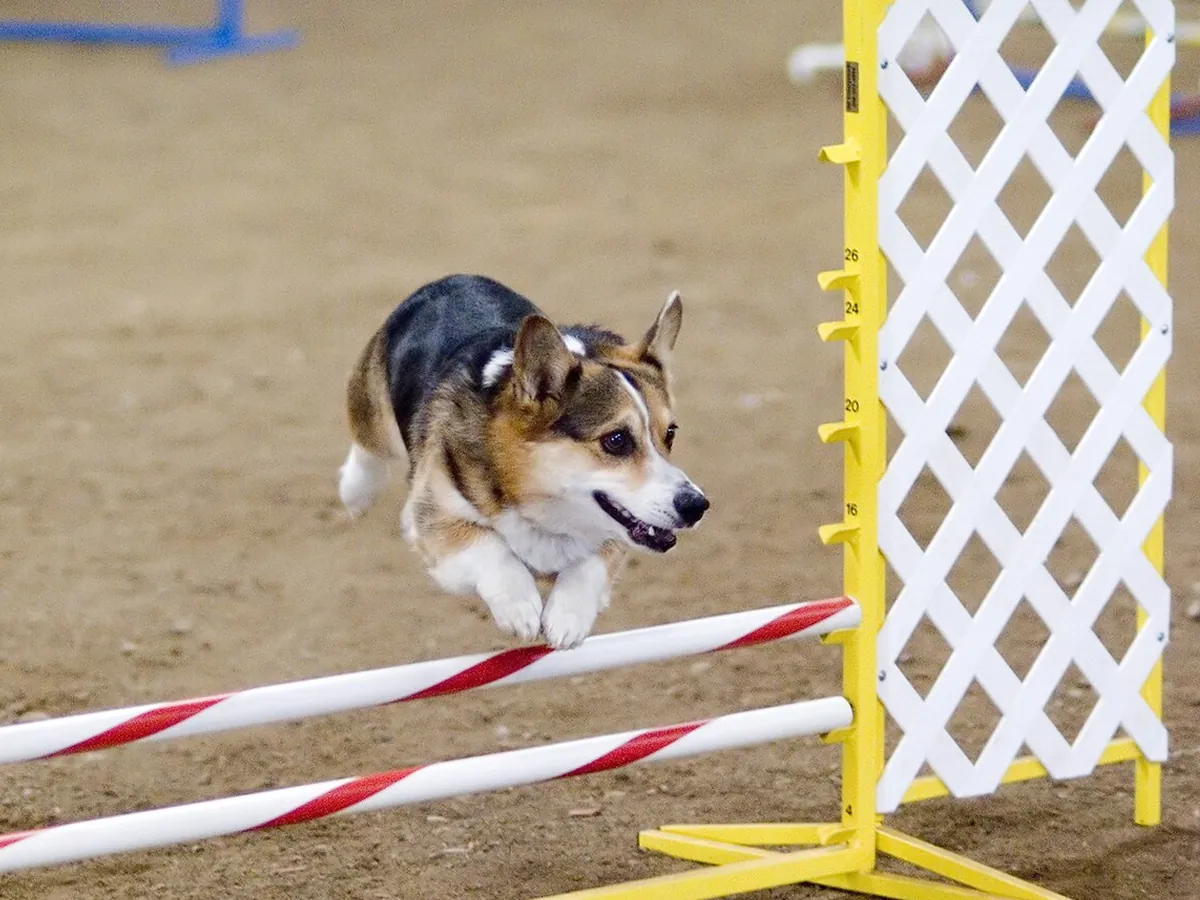
Photo: Ron Armstrong from Helena, MT, USA via Wikimedia Commons, CC BY 2.0
🐾 Getting ready for a puppy? Try the interactive corgi puppy checklist — free, no email required.
Short legs do not mean a low-energy dog. Pembroke and Cardigan Welsh Corgis were bred as cattle drovers, and the AKC Pembroke breed page describes an athletic, lively herder that is companionable without being needy. Daily movement plus brain work keeps that working mind satisfied.
Ask your veterinarian before starting an intense new program, especially for puppies, seniors, overweight dogs or dogs with back or joint concerns.
What the breed pages and standards tell us
The Pembroke and Cardigan standards describe sturdy, active herding dogs built for endurance and agility in a small frame. The AKC Cardigan page likewise frames the breed as a capable cattle dog that is also a cherished companion.
Without enough outlets, many corgis invent their own jobs — often involving alert barking or chasing moving feet. Pair physical exercise with training rather than expecting a walk alone to fix every behavior.
Daily movement ideas
The AKC exercise guide says needs vary by age, health and breed, and that variety helps. Practical options for a long, low dog include:
- Steady leash walks on flat ground
- Sniff walks where the dog sets a slower exploring pace
- Flat-ground fetch with low throws (discourage high leaps)
- Puzzle feeders and snuffle mats using part of the daily food
- Swimming, if your dog likes water — AKC notes swimming is useful for dogs with joint concerns; use a life vest and supervise
| Activity | Why it helps | Back note |
|---|---|---|
| Leash walking | Steady fitness and manners | Prefer even footing |
| Scent games | Mental work with low impact | Good indoor option |
| Low training games | Builds focus | Keep spins and jumps optional |
| Dog sports | Channels working drive | Ask vet; keep obstacles appropriate |
Cornell’s IVDD page says walking is safe for any dog, while leaping for thrown toys is less so, and advises minimizing stairs and furniture jumps. Details are in our back-problems guide.
Puppy exercise
AKC recommends several short walks or play sessions for puppies rather than one long outing that is hard on a developing body, and says to talk with your vet or breeder about appropriate daily activity. Let puppies rest when they flop down. Avoid forced jogging or repetitive long pavement work until your vet says growth is complete.
Heat and the double coat
Both breeds wear a dense double coat. AKC shedding guidance discusses managing undercoat shedding; for exercise, move workouts to cooler hours in hot weather, offer water, and do not assume shaving is a heat solution without talking to a groomer and vet who know double coats.
Mental exercise
AKC’s key takeaways state that mental stimulation complements physical exercise — training, puzzles and scent work help tire dogs mentally. Short trick sessions, hide-and-seek with kibble, and pushing a large lightweight ball on flat grass can scratch the herding itch without ankle nipping.
When to stop and when to call the vet
Stop or slow down for lagging, excessive panting that does not settle in shade, stiffness after play or reluctance to join a favorite game. Call your veterinarian for limping, a sudden wobbly rear end, collapse or signs of overheating. Weight also affects comfort — see healthy weight.
Frequently asked questions
Can corgis do agility?
Many corgis enjoy dog sports. The AKC exercise overview lists agility among ways to exercise dogs, but jump heights and training intensity should match a long, low body. Ask your veterinarian before starting a sport program, especially for puppies, seniors or dogs with back history.
Is a corgi OK in an apartment?
A corgi can live happily in a smaller home if daily physical and mental needs are met. The AKC describes Pembrokes as athletic, lively herders that need regular exercise. Without outlets, boredom can show up as barking or mischief. Plan walks and training, not just yard access.
How far can a corgi walk?
There is no single mileage that fits every dog. AKC exercise guidance says needs vary by age, health and breed energy, and that you should watch your own dog and talk with your vet. Build distance gradually on flat ground and stop for heat, limping or fatigue.
Are stairs and jumping good exercise for corgis?
Not as a primary workout. Cornell's IVDD prevention advice includes minimizing stairs and furniture jumps, and the AKC notes that stair workouts can be especially challenging for long-backed, short-legged breeds. Prefer flat walks and low-impact play unless your vet says otherwise.
A quick note: this guide is general information from published sources, written by dog lovers, not a veterinarian. Your own vet knows your dog's history, so check with them before changing food, exercise or treatment.
Sources
Keep reading
Corgi Back Problems: IVDD, Stairs and How to Protect That Long Back
Corgi back problems and IVDD explained with vet-backed signs, everyday spine care, safer stairs and furniture habits, and when to seek emergency care.

Corgi Obesity: How to Keep a Food-Loving Corgi at a Healthy Weight
Keep a corgi at a healthy weight with vet-backed body-condition checks, measured meals, a treat budget and gentle daily movement that protects joints.